
InBody Visceral Fat Ratio: WHR, 0.8 Meaning & Standards

Table of Contents
The most common question patients ask about their InBody results is about their visceral fat ratio. Many say, 'My waist seems a bit large, but I don't know what 0.85 means.' I remember staring at the same numbers when I first learned about InBody.
What Exactly Is the Visceral Fat Ratio?
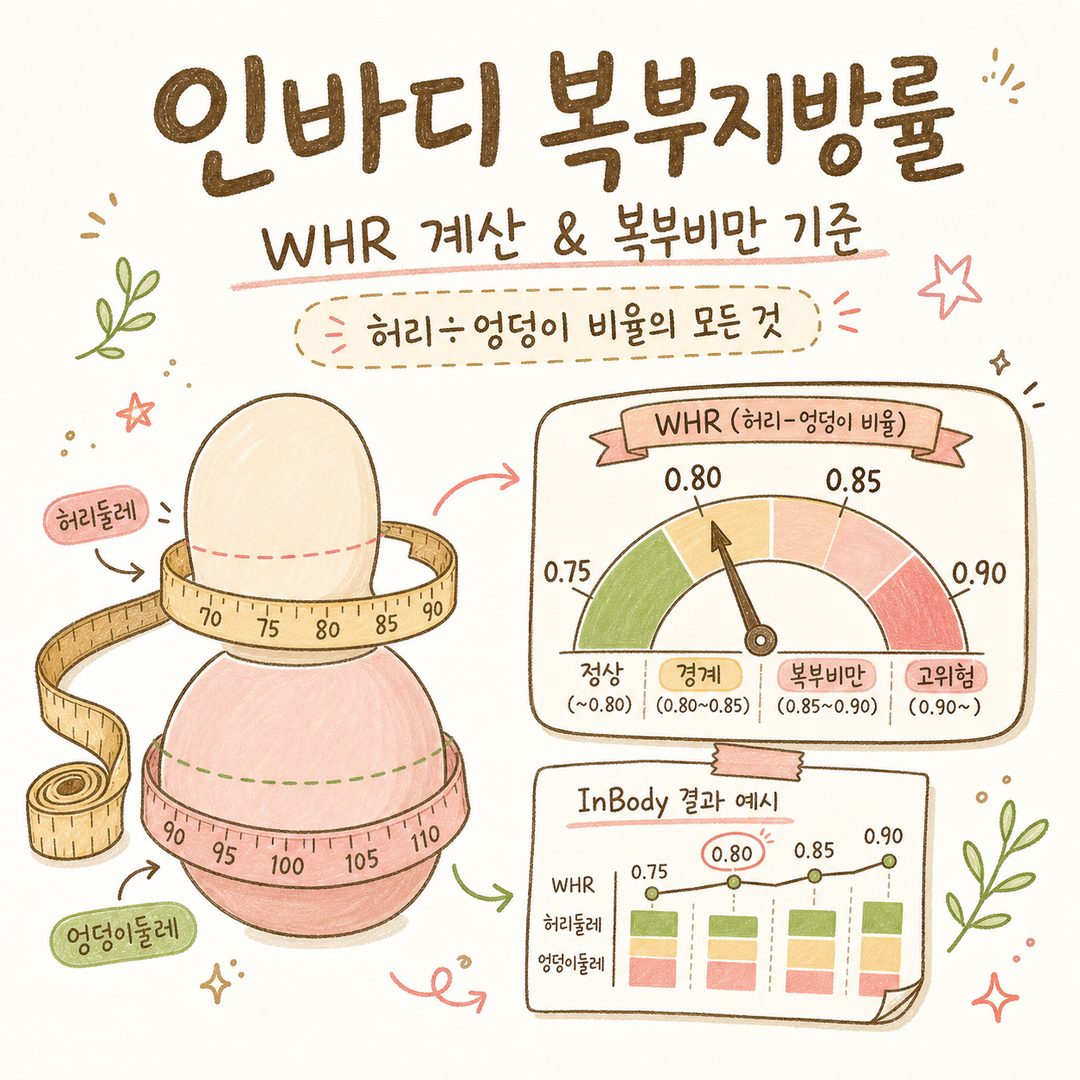
The visceral fat ratio in InBody is calculated by waist circumference ÷ hip circumference. In English, it's called WHR (waist-hip ratio). It's a surprisingly simple ratio: the waist circumference measured at the navel line divided by the circumference at the widest part of the hips.
This single number allows the InBody machine to show visceral fat and obesity risk in a graph. A higher value indicates more fat accumulation around the waist and a higher likelihood of excess visceral fat inside the abdomen. This is why even people with normal weight can be classified as having abdominal obesity if this ratio is high—a condition known as 'skinny fat.'
The visceral fat ratio isn't just an indicator of 'whether you have belly fat.' The key point is that it's a number that reveals the balance between waist and hips and shows patterns of fat distribution.
Abdominal Obesity Threshold: 0.90 for Men, 0.85 for Women
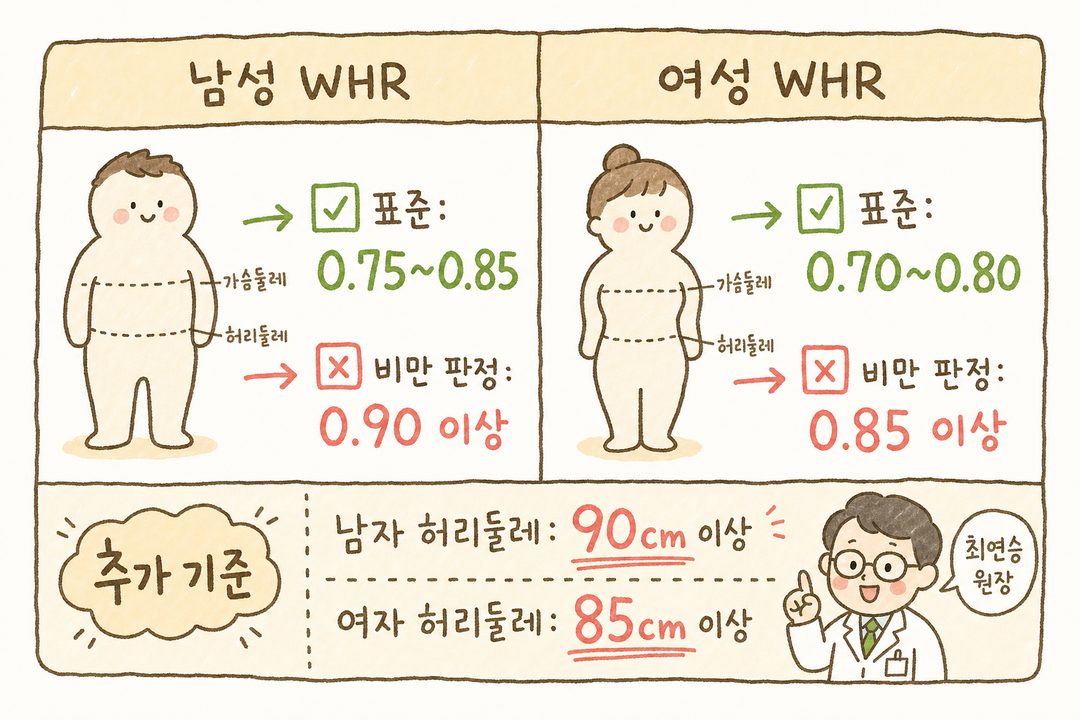
Here are the widely used standards in Korea:
- Normal range for men: 0.75-0.85
- Abdominal obesity for men: 0.90 or higher
- Normal range for women: 0.70-0.80
- Abdominal obesity for women: 0.85 or higher
In clinical practice, waist circumference is more commonly used. For Koreans, men with a waist circumference of 90cm or more and women with 85cm or more are considered to have abdominal obesity. To get a more accurate picture of your condition, you should consider both InBody measurements and tape measurements.
If Your Visceral Fat Ratio Is 0.8
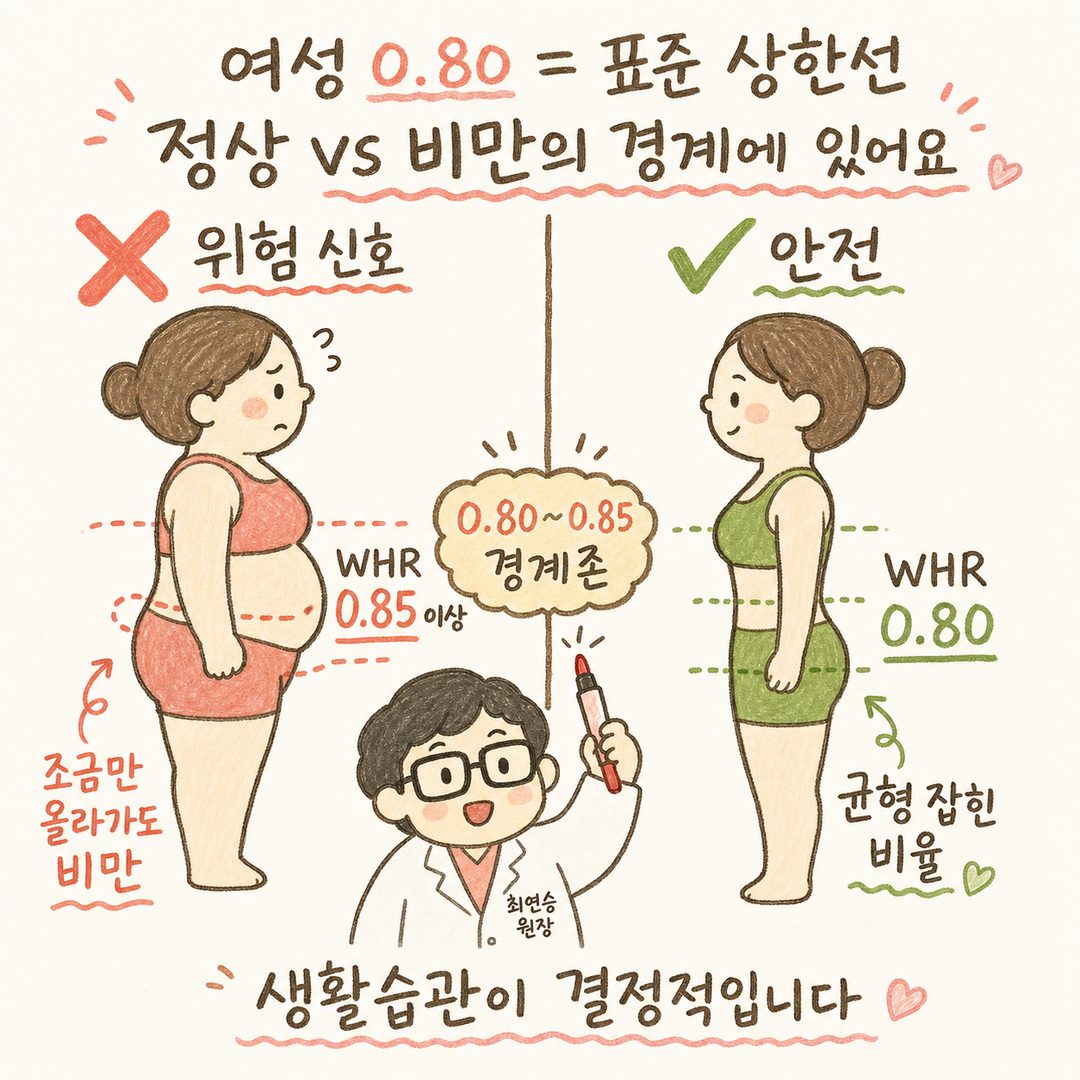
0.8 is the most common number we encounter in the clinic. Its meaning varies slightly by gender.
For men, 0.8 falls within the normal range (0.75-0.85) but is on the higher end. Since abdominal obesity starts at 0.90, it's not yet at the obesity stage, but maintaining current habits could quickly push it higher.
For women, 0.8 requires more attention. The upper limit of the normal range for women is exactly 0.80. This means you're at the very edge of normal—just a slight increase will push you into the abdominal obesity range. It's an ambiguous point where 'you're not obese yet' and 'you're at risk of obesity if you're not careful' both apply.
Seoul National University Hospital also uses waist circumference standards (90cm for men, 85cm for women) and explains that exceeding these numbers significantly increases the risk of hypertension, cardiovascular disease, diabetes, and dyslipidemia. This is why you shouldn't take a 0.8 reading lightly.

How Korean Medicine Views Visceral Fat Ratio
At Baekrokdam Korean Medicine Clinic, we don't judge a patient's condition based solely on the visceral fat ratio. Even with the same 0.85 reading, our approach varies depending on constitution, eating habits, digestive function, and sleep patterns.
People who tend to accumulate abdominal fat often have an imbalance in their hot-cold equilibrium or stagnation of dampness-phlegm (濕痰). During consultations, when we check the pulse and perform abdominal diagnosis, we often detect signals beyond 'just eating too much.' Each person's path is different—whether it's weakened digestive function, accumulated liver qi stagnation from stress, or other factors.
The visceral fat ratio is just the starting point. To make Korean medicine management meaningful, we need to understand why that number is high and what signals your body is sending.

Practical Steps You Can Take Starting Today
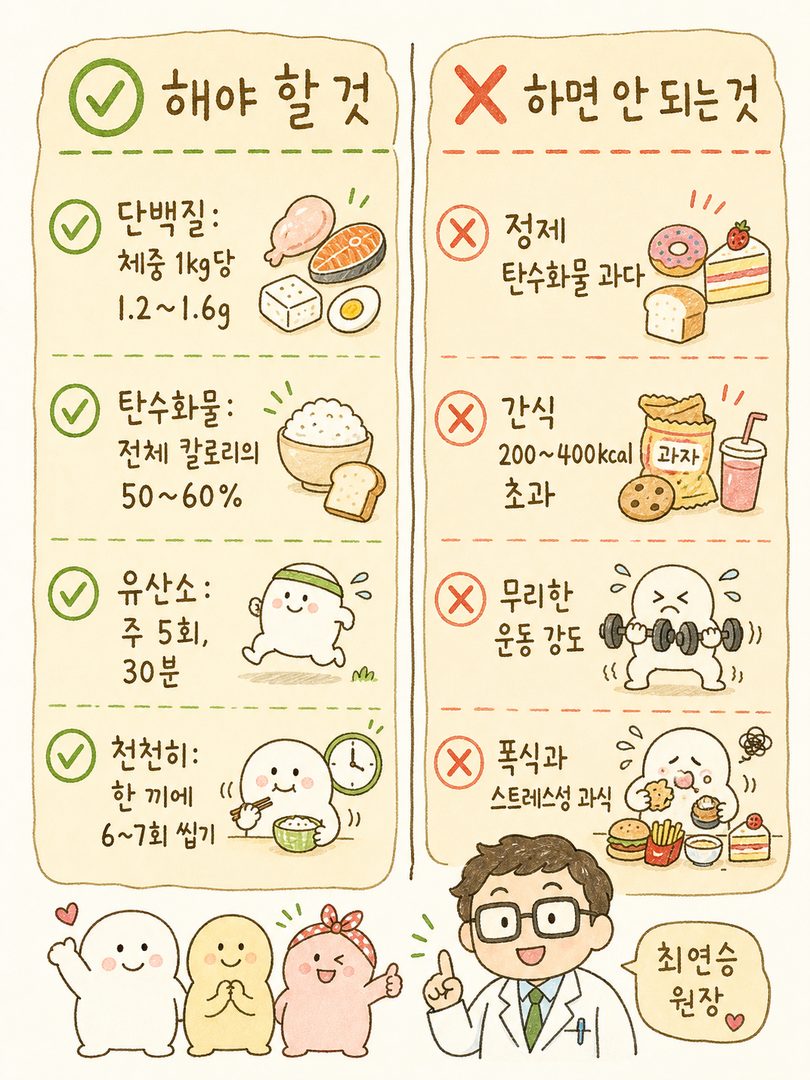
To change the numbers, you need to make lifestyle changes. Here are some practices we often recommend in the clinic:
- Aim for 1.2-1.6g of protein per kg of body weight daily. For a 60kg adult, that's about 72-96g. This is key to maintaining muscle while reducing body fat.
- Keep carbohydrates to no more than 50-60% of total calories, and choose whole grains and root vegetables over refined carbs.
- Stick to three main meals a day. If you snack frequently, try setting a snack limit of 200-400kcal.
- For cardio, start with 30 minutes, 5 times a week. Consistency matters more than intensity for reducing abdominal fat.
- If stress eating is an issue, try eating more slowly. Aim for 6-7 chews per bite—a simple but effective way to give your brain time to register fullness.
When diet, exercise, and sleep are in balance, your visceral fat ratio will gradually decrease. Don't aim for perfection from the start; a realistic goal is about 1kg of weight change per month.
If you're feeling overwhelmed by your InBody visceral fat ratio, I encourage you to look beyond the number and consider your constitution and lifestyle patterns. At Baekrokdam Korean Medicine Clinic, we use Baekrok Gambi-jung while comprehensively examining your constitution, digestion, and sleep to interpret the signals your visceral fat ratio is sending. Don't be too alarmed by 0.8, but don't ignore it either. Consider consulting a specialist to assess your starting point.