
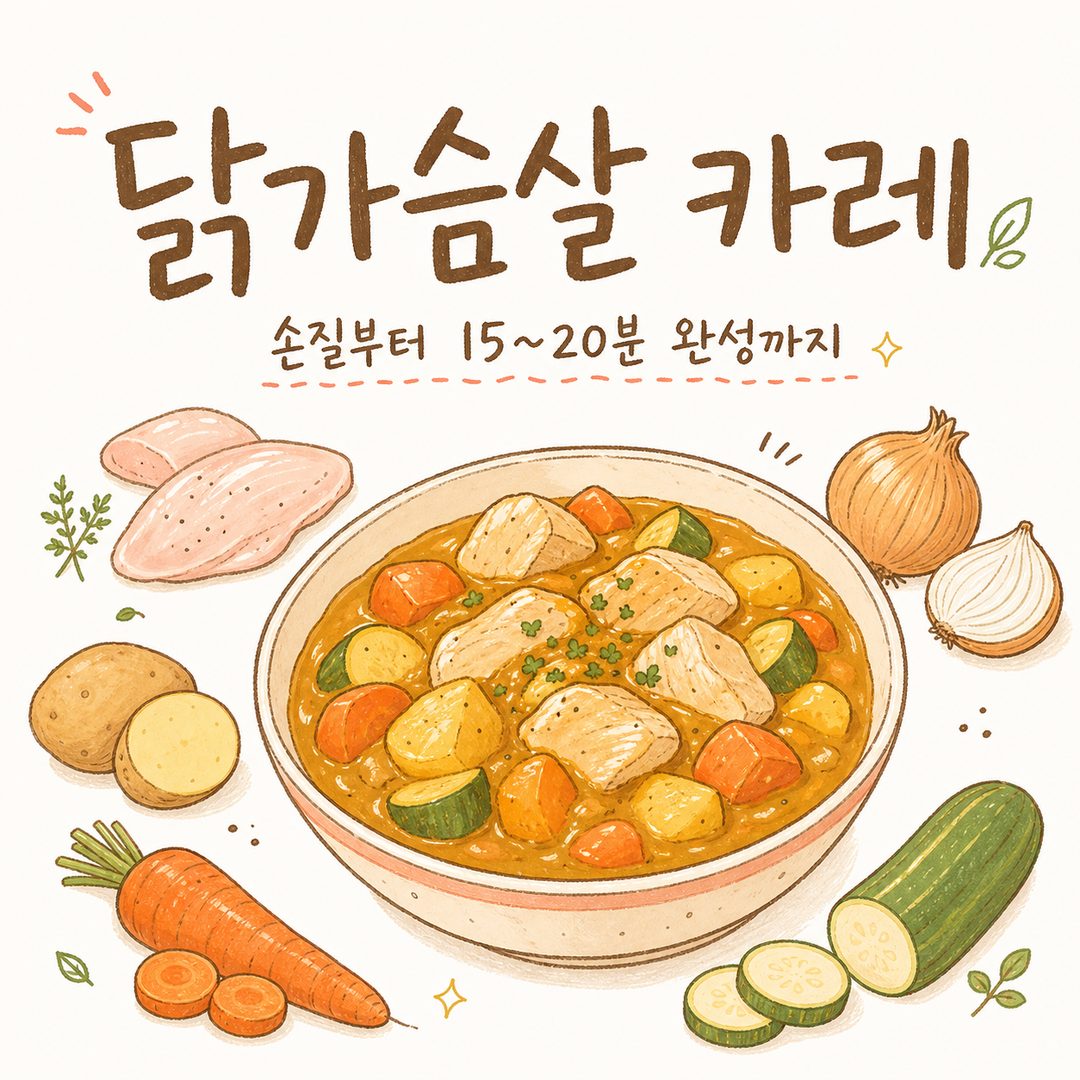
Chicken Breast Curry Recipe — Prep to Plate in 15-20 Min

Table of Contents
When managing your diet, we all have those days of wondering 'what should I eat today?' before defaulting to delivery apps. As someone who feels the same after clinic hours, I often recommend this quick protein-packed one-bowl meal to my patients.
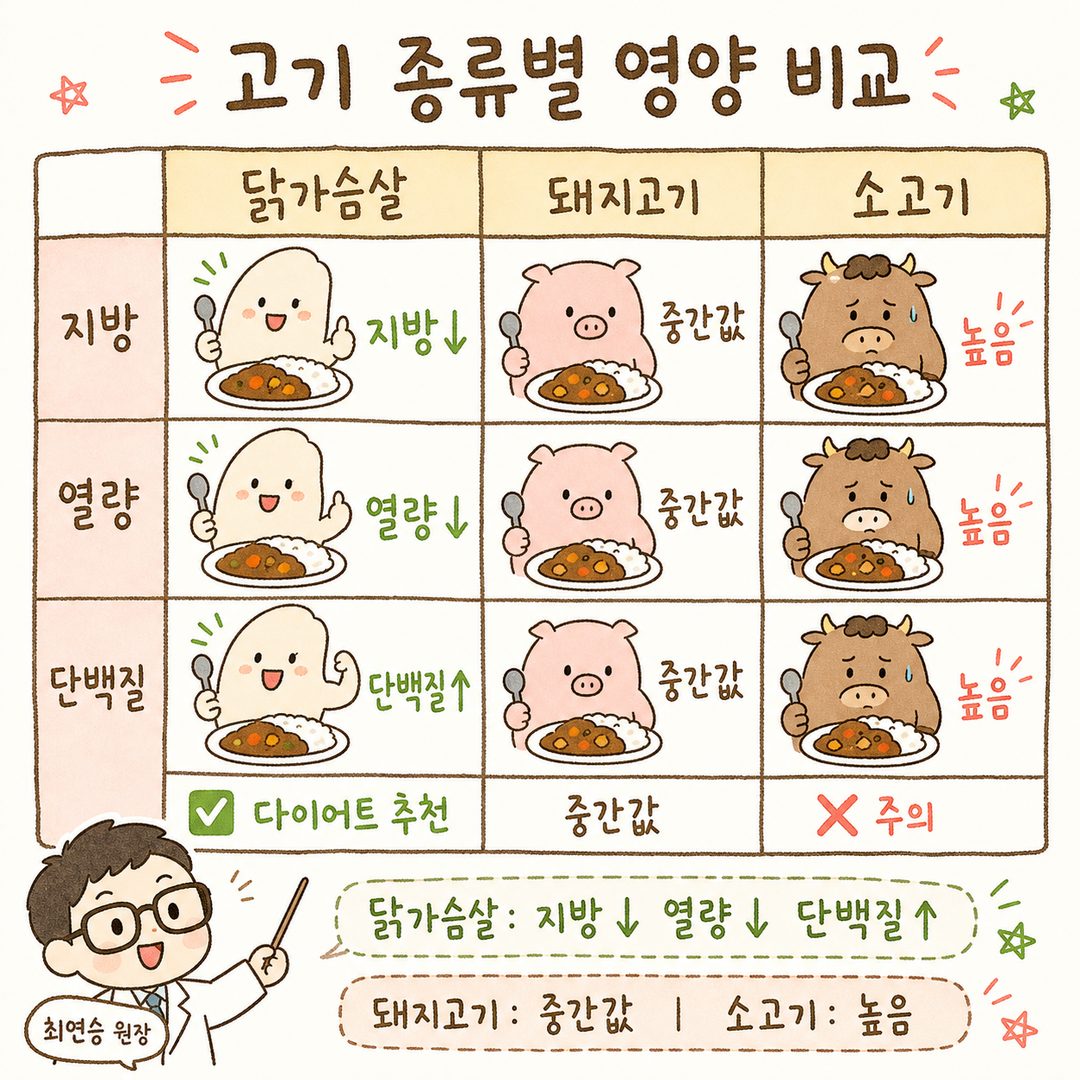
Why Chicken Breast Curry Fits Well in Diet Plans
Compared to pork or beef curry, chicken breast curry is lower in fat and calories while being higher in protein. According to recipe data, using chicken breast reduces fat content, making it easier to incorporate into exercise or weight management diets.
Additionally, when you cook curry in one pot with onions, potatoes, carrots, and zucchini, you get both protein and vegetables in one meal. For patients who say they're tired of meat-only diets, I often recommend curry as a less burdensome option.
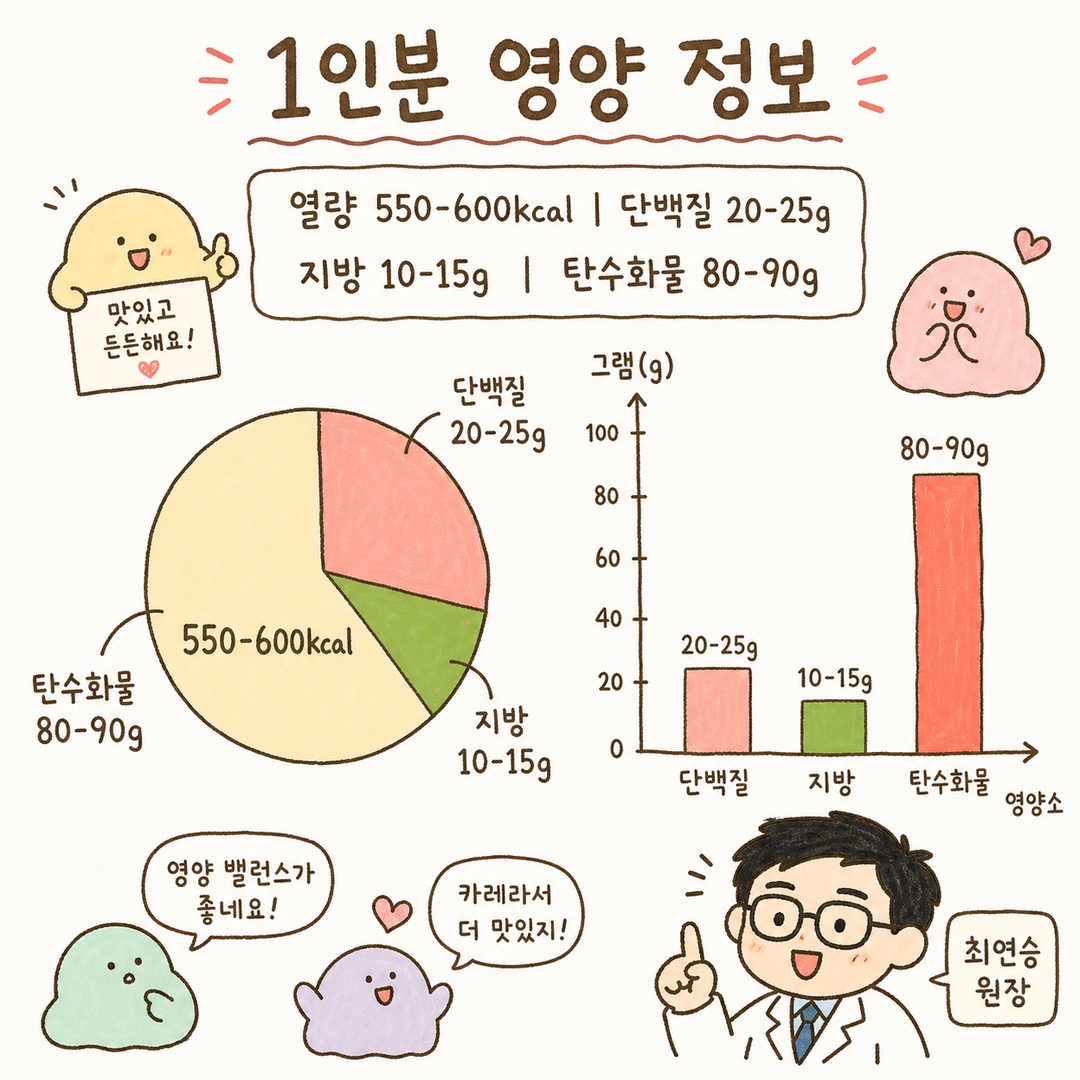
Nutritional Content Per Serving
Based on recipe data, one serving (200g white rice, 50g chicken breast, 25g curry powder, vegetables, and 25ml milk) contains approximately 550-600 kcal. The rice accounts for about 300 kcal, while the curry portion is about 250-300 kcal.
Protein content is about 20-25g, fat 10-15g, and carbohydrates 80-90g. The same data shows that using 100g or more of chicken breast can increase protein to around 30g, while reducing milk and oil can further decrease fat and calories. How you adjust the recipe can significantly change its dietary profile.
Baekrokdam's Korean Medicine Perspective on Curry
In Korean medicine, we don't just look at food calories but also how food affects the body. Curry contains warming spices like turmeric, and chicken has relatively warm properties. For those with cold hands/feet and slow digestion who are tired of cold salads, a warm bowl of curry can be gentler on the stomach.
However, curry powder contains considerable oil and salt. I often see patients who overeat thinking "it's diet food, so it's okay." I recommend slightly reducing rice portions and increasing vegetable content. Those sensitive to spicy food may prefer mild curry.
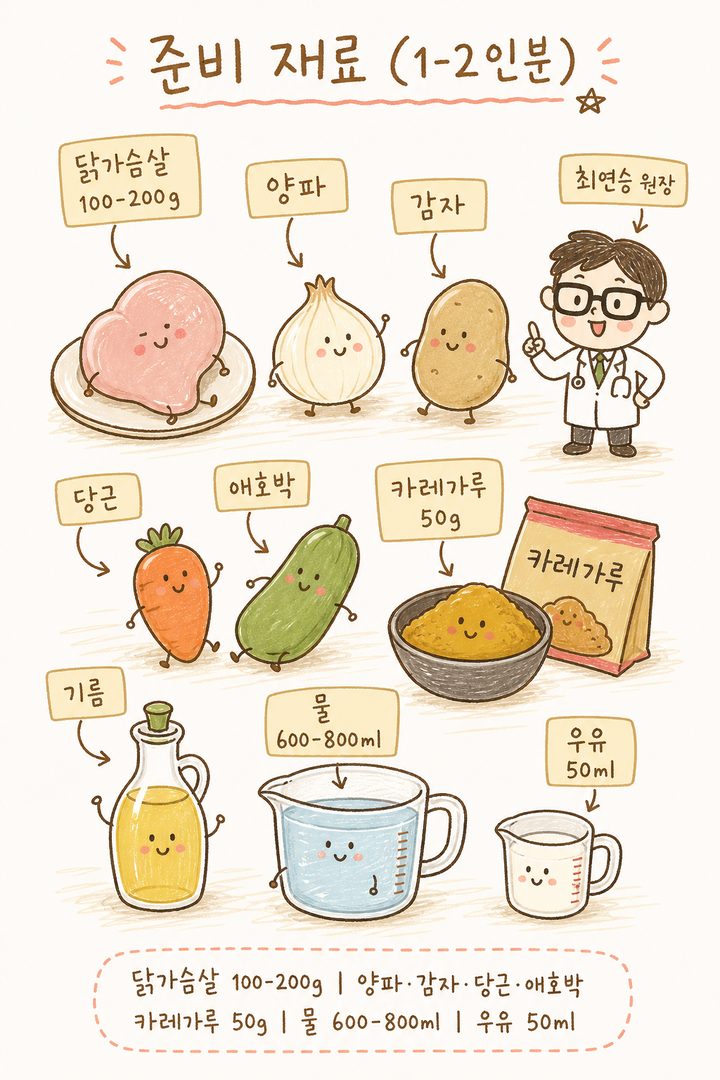
15-20 Minute Preparation Method
With basic ingredients, chicken breast curry takes just 15-20 minutes. Here's the recipe for 1-2 servings.
Ingredients: 100-200g chicken breast, 50g curry powder or 4-6 curry cubes, 1 onion (150-200g), 1 potato (100g), 1/3-1/2 carrot, 1/4-1/2 zucchini, 1-2 tbsp cooking oil, 600-800mL water. For a milder taste, prepare 50mL milk separately.
Preparation steps: Rinse chicken breast in cold water, pat dry, cut into 1-2cm cubes, and marinate with salt, pepper, and 1-2 tbsp cooking wine for 5-10 minutes. Cut vegetables into 1cm cubes for even cooking. Rinse potatoes once or twice to reduce starchiness.
Cooking is simple: Heat 1-2 tbsp oil in a pot, sauté potatoes and carrots for 2-3 minutes. Add chicken and onions, cook until surface is done. Add water and bring to boil. When vegetables are tender, dissolve curry powder/cubes and simmer on low heat. Add 50mL milk at the end for a milder taste.
A clinic tip: Prepare 200g chicken breast at once for two meals to make weeknight dinners easier. Pre-cut vegetables can be refrigerated for next-day use.
Rather than just counting daily calories, consider how your body responds to food. Try incorporating protein-vegetable-soup dishes like chicken breast curry 1-2 times weekly. If you're unsure about portion sizes or frequency for your constitution, visit Baekrokdam Korean Medicine Clinic to optimize your diet with Baekrok Gambi-jung. The same bowl of curry can have different effects depending on your body.