
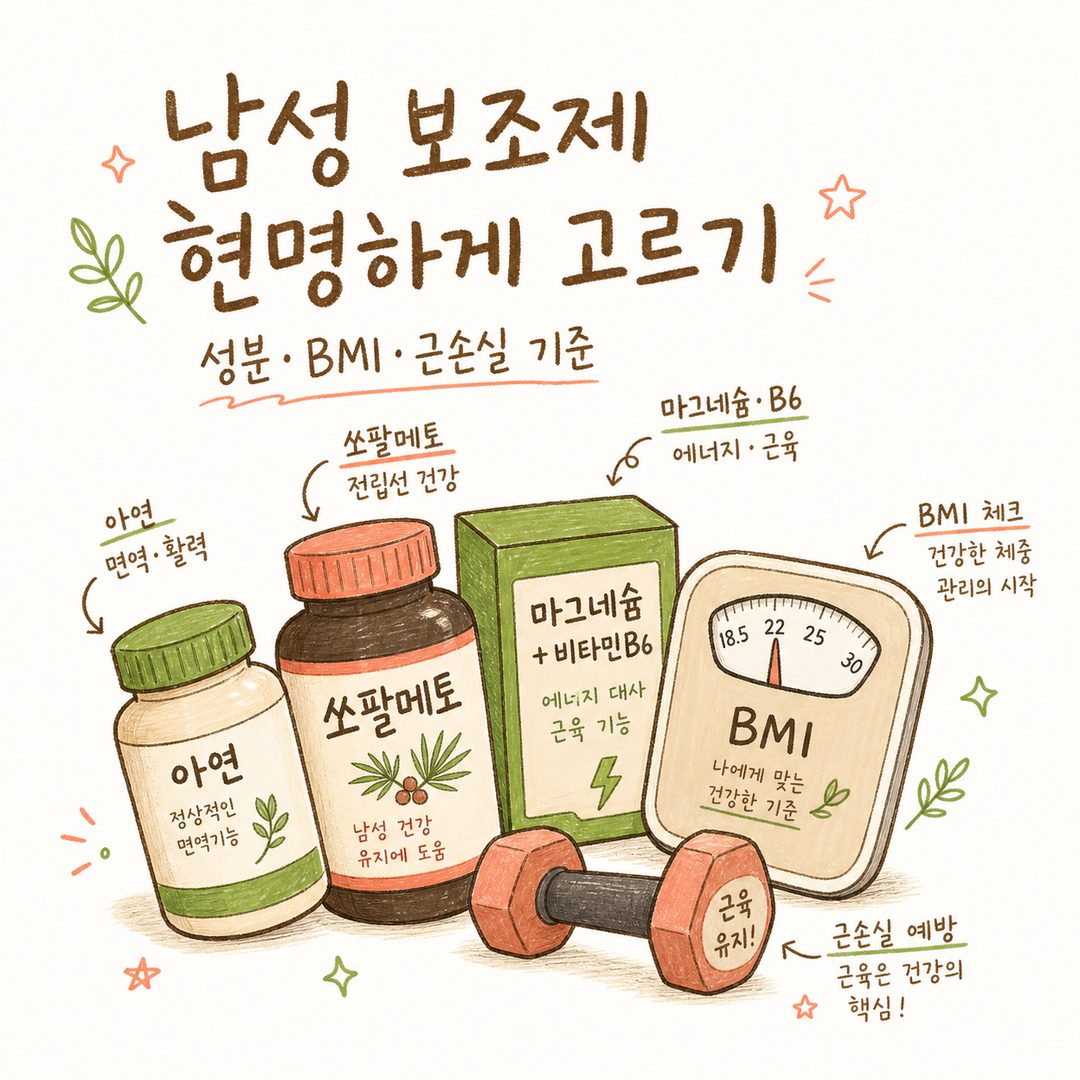
Men's Weight Management Supplements: Ingredients, BMI & Muscle Loss

Table of Contents
Why Men Turn to Supplements First
Male obesity tends to concentrate around visceral fat and abdominal area, making changes more noticeable in the mirror. According to health media reports, men's weight management supplements aren't significantly different from women's - ingredients, safety, and purpose matter more than gender. Therefore, rather than focusing on "for men" labels, it's more rational to check what ingredients are included and their concentrations, and whether they have MFDS (Ministry of Food and Drug Safety) functional claims. Many patients experience palpitations and insomnia from excessive caffeine or ingredient overlap after choosing products based solely on "good for men" advertisements.
How Effective Are Common Supplement Ingredients?
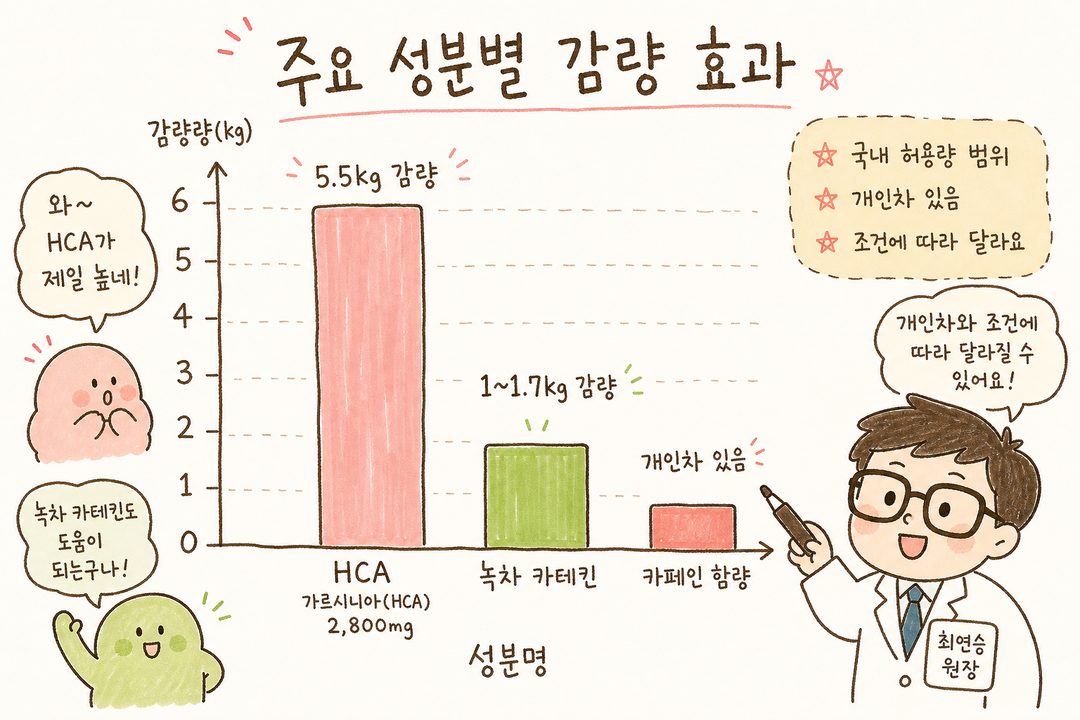
Common ingredients include Garcinia cambogia extract and green tea catechins. HCA, the main component of Garcinia, is known to block the pathway where carbohydrates synthesize into fat. In Korean health functional foods, products contain up to 2,800 mg daily. One human study reported approximately 5.5kg weight loss after 8 weeks of high-dose HCA intake. However, since this exceeds domestic allowances, similar results shouldn't be expected from over-the-counter products. Green tea extract showed 1 kg~1.7 kg weight reduction in studies, with more emphasis on body fat, cholesterol, and antioxidant effects.
Prescription Medication Criteria Start with BMI
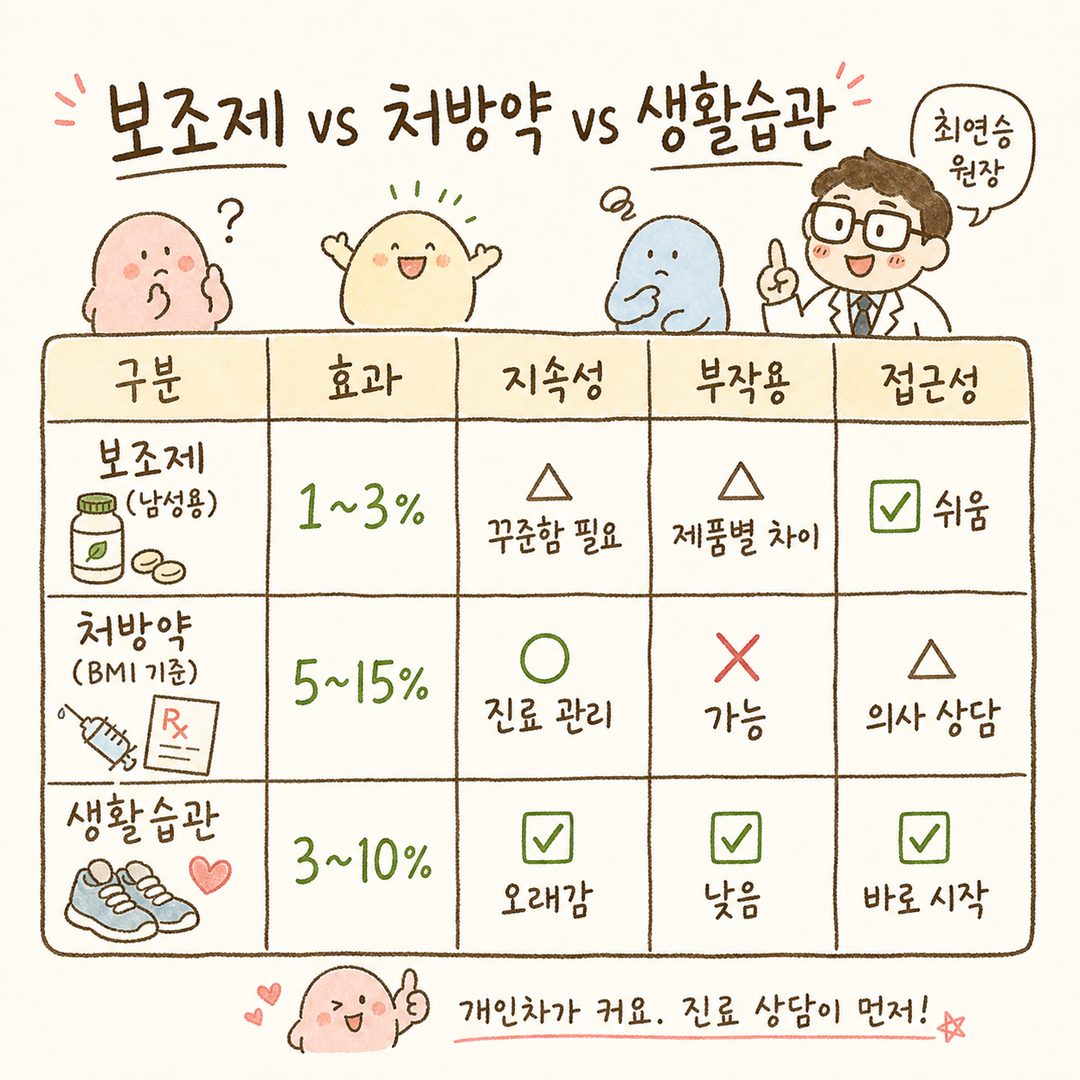
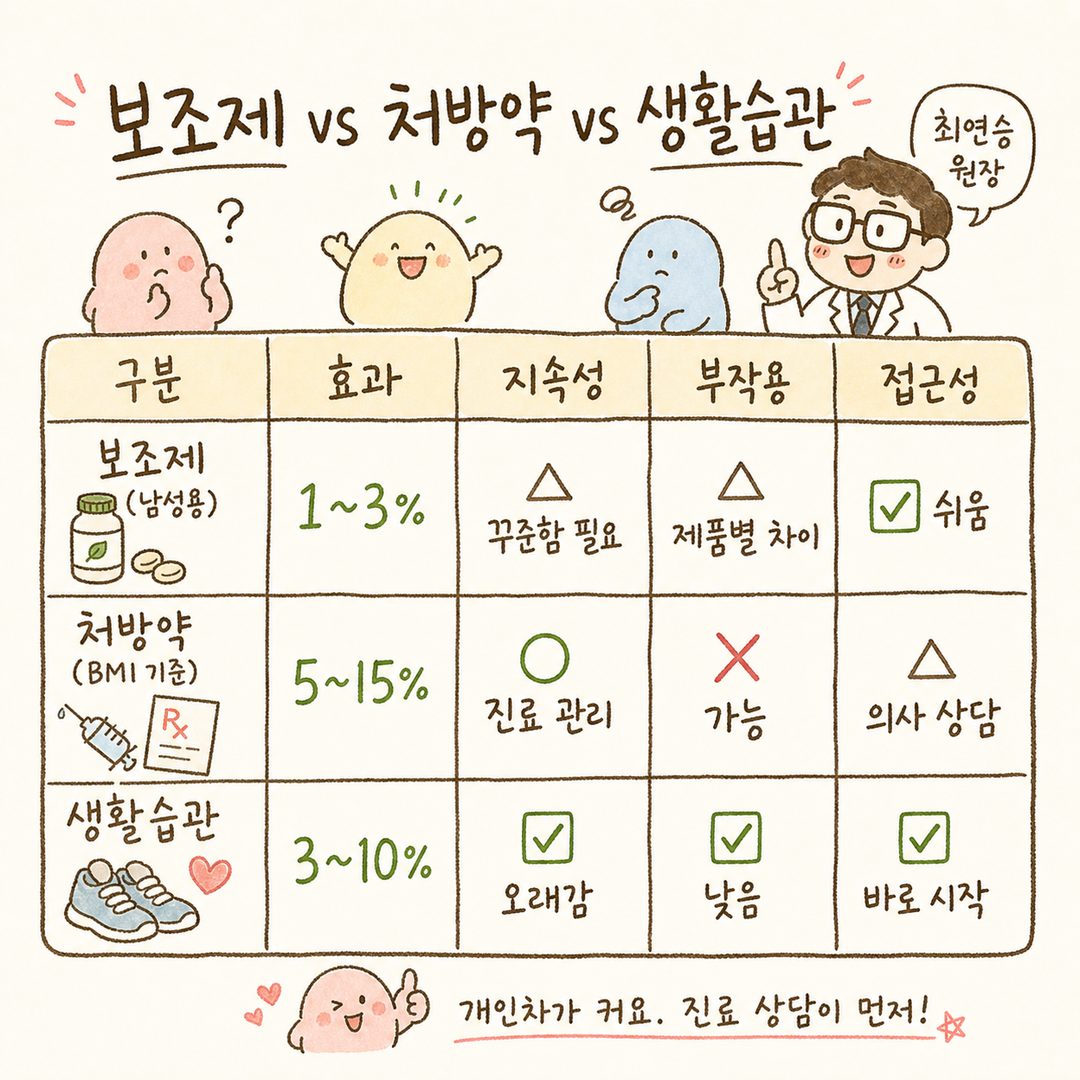
Hospitals don't prescribe weight management medication simply because someone "wants to lose weight." According to Soonchunhyang University Medical Center guidelines, medication is considered when BMI is 27 or above with obesity-related comorbidities, or 30 or above without comorbidities. Qsymia (phentermine/topiramate) showed 9-12% weight reduction after one year, while Saxenda (liraglutide) showed an average of 9% weight loss with once-daily injections, reaching up to 12%. However, phentermine-based appetite suppressants are recommended for short-term use of up to 4 weeks due to dependency risks, with maximum use under 3 months. Starting prescription medication for cosmetic purposes with normal BMI often does more harm than good.
Why Diet and Exercise Remain Fundamental
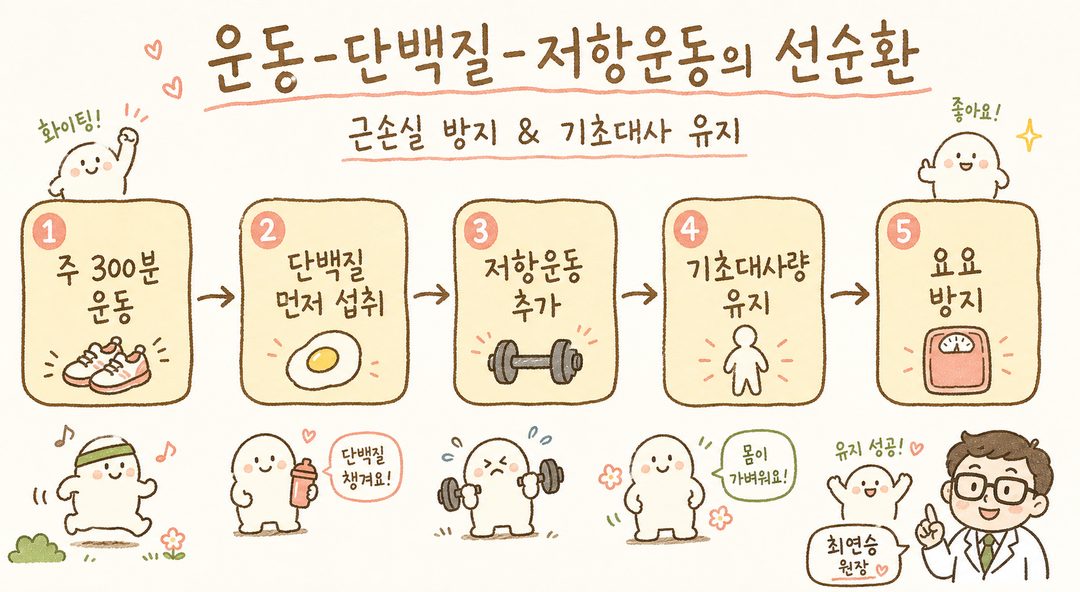
Whether using supplements or prescription medication, without dietary control and exercise, effects won't last. Korean guidelines recommend at least 300 minutes of moderate-intensity exercise weekly, about 43 minutes daily. A common pitfall for men is "just cutting meals," which leads to muscle loss along with fat. Reduced muscle mass lowers basal metabolic rate, making weight rebound more likely. Therefore, protein intake and resistance training should be combined. I often hear "no time for exercise" in the clinic, but brisk walking during commutes and using stairs can significantly contribute to weekly exercise goals.
Baekrokdam's Perspective on Male Obesity
In Korean medicine, male obesity isn't viewed solely as caloric excess. Accumulated drinking, late-night eating, and sleep deprivation lead to phlegm-dampness and damp-heat accumulation, which stagnates in the abdominal area, causing belly fat along with fatigue and indigestion. This explains why some people respond quickly to supplements while others only experience palpitations without weight loss. During consultations, we adjust prescriptions based on constitution, digestive status, sleep patterns, and drinking frequency. While we don't necessarily recommend stopping supplements, we monitor caffeine content and liver burden. Those with liver disease, hypertension, or cardiovascular conditions should consult before taking any supplements.

Action Points to Check Starting Today
If you're currently taking supplements, it's good to re-examine the labels:
- Check for MFDS functional claims and which ingredients are officially recognized.
- Calculate total caffeine intake - combining with coffee or energy drinks may cause palpitations.
- Clarify whether the supplement targets appetite suppression, fat absorption inhibition, or energy boost.
- Set a 300-minute weekly exercise goal in your calendar - commuting by walking can cover more than half.
- Prioritize protein in meals and gradually reduce carbohydrate ratio.
- If BMI is below 27, lifestyle modification should precede prescription medication.
In Conclusion
Men's weight management isn't about "special medication" but choosing the right tools for your body. One supplement label and 30 minutes of exercise accumulate to change your waistline in a year. If you've been taking supplements without results or experience slow recovery after drinking, consider a constitutional evaluation. At Baekrokdam Korean Medicine Clinic, we assess visceral fat, drinking/late-night eating patterns, and sleep to customize treatments including Baekrok Gambi-jung. Instead of extreme fasting, let's find a sustainable pace that works with your body.